Does blood pressure affect how long you live?
On this page
Strongly. In a million adults, every 20 points higher systolic pressure went with about twice the death rate from heart disease and stroke, all the way down to 115/75. And about 4 in 10 Americans with high blood pressure don’t know they have it. A week of home readings tells you.
What we’d do
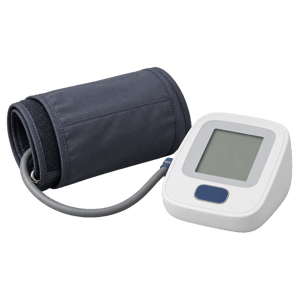
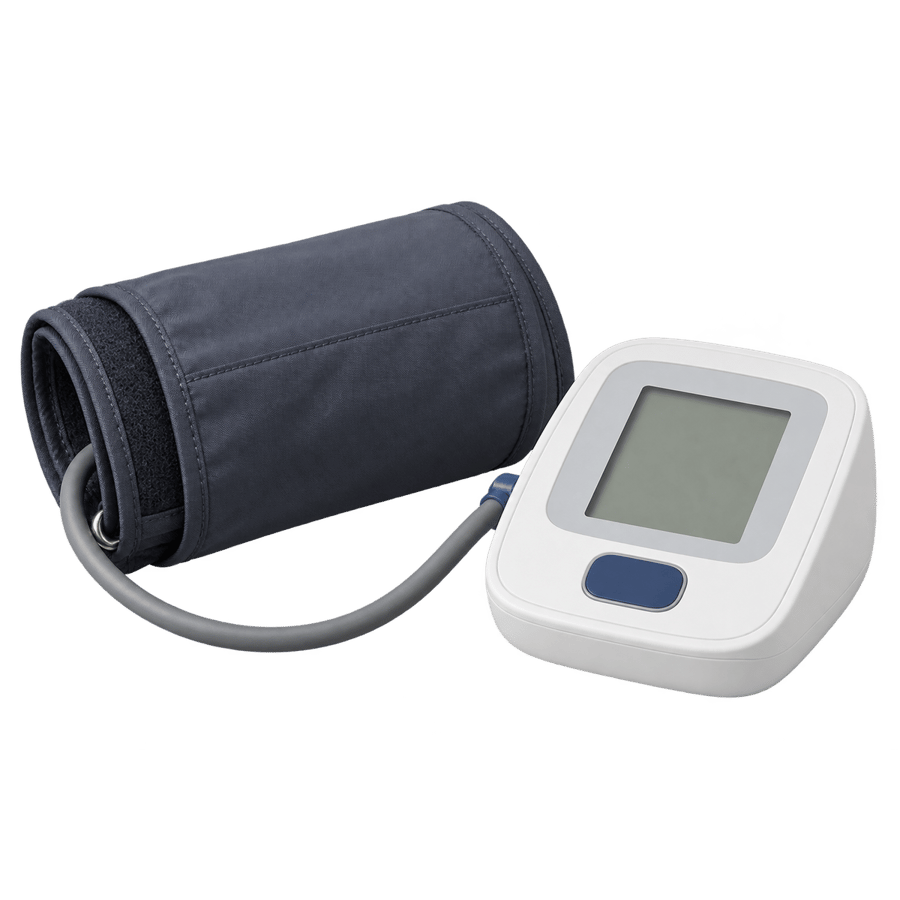
Get a validated upper-arm cuff and take two readings each morning and evening for a week, after sitting still for a few minutes. Average them. If you’re at 130/80 or above, take that average to your doctor and decide together what to do.
Why so many people don’t know
High blood pressure usually has no symptoms. You can feel fine for years while it climbs. Many people only get it checked at a doctor’s visit, one measurement at a time. So a number tied this closely to strokes and heart attacks goes unmeasured for a lot of people.
In the most recent national survey, from 2021 to 2023, 47.7% of US adults had high blood pressure, meaning a systolic (top number) of 130 or more or a diastolic (bottom number) of 80 or more, or taking medicine for it. Only 59.2% of them knew it, and only about one in five had it under control below 130/80.
The simple version
Blood pressure is like the water pressure in old pipes. A little too high doesn’t burst anything today. But year after year it strains every joint and wall in the system, and the weak spots give first, which in the body means the arteries of the brain and heart.
What a million people showed
In 2002 the Prospective Studies Collaboration pooled data on one million adults from 61 studies, none with heart disease at the start. Between 40 and 69, each 20 points higher in usual systolic pressure (or 10 points diastolic) went with more than twice the death rate from stroke and twice the death rate from heart disease. They found no safe threshold above 115/75. The risk kept falling all the way down to that level, below which there was little data.
What lowering it does
Studies like that show a link. A trial can test what lowering it does. In SPRINT, 9,361 people at high heart risk, without diabetes, were assigned to a systolic target of under 120 or under 140. The trial was stopped early, after about 3 years, because the lower target cut major heart events by 25% and deaths from any cause by 27%. It also caused more side effects, like low blood pressure, fainting and kidney problems, which is why the target is a decision to make with your doctor.
Where to go from here
The guide at bloodpressure.guide has the home method, the cuff to buy and what each average means, in how to measure at home, the seven-day home week and what is a good blood pressure. If a measurement is very high, check when blood pressure is an emergency.
3 sources
- Prospective Studies Collaboration (Lewington S and others), Age-specific relevance of usual blood pressure to vascular mortality: a meta-analysis of individual data for one million adults in 61 prospective studies, Lancet, 2002pubmed.ncbi.nlm.nih.gov
- SPRINT Research Group, A Randomized Trial of Intensive versus Standard Blood-Pressure Control, New England Journal of Medicine, 2015pubmed.ncbi.nlm.nih.gov
- National Center for Health Statistics, Hypertension Prevalence, Awareness, Treatment, and Control Among Adults Age 18 and Older: United States, August 2021 to August 2023, Data Brief 511cdc.gov