Longevity myths, checked
What people believe about living longer, why it sounds right, and what the studies found.
 Sort of
Are blue zones real?
Sort of. The habits hold up, but many record ages don't. Missing centenarians, pension fraud, a fading edge, and what these places can still teach us.
 No
How long you live is mostly in your genes
No. In twin studies genes explained about a quarter of the differences in lifespan, and in family trees under a tenth. Genes count most in very old age.
 No
After 50 it's too late to add years
No. In the biggest US study of habits and lifespan, five habits at 50 meant 12 to 14 more years, and people who quit smoking at 45 to 54 gained about 6.
 Not the way you think
A glass of red wine a day helps you live longer
Not the way you think. The non-drinkers in the old studies included people who'd quit because they were ill. Kept apart from them, light drinkers lived no longer.
 No
Cardio is all you need to live longer
No. In 147,374 US adults, 90 to 119 minutes a week of lifting went with a 13% lower death rate on top of cardio, and the lowest risk came with plenty of both.
 Sort of
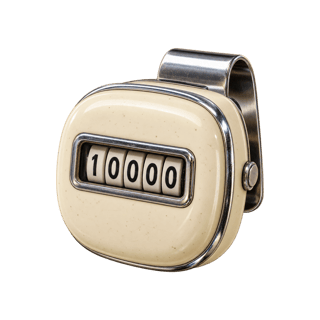
You need 10,000 steps a day
Sort of. The number comes from a 1965 pedometer's name. For adults 60 and over, the lower death risk leveled off at 6,000 to 8,000 steps a day.
NoLongevity pills like NMN and resveratrol add years
No. None has a human lifespan result. NMN and NR nudged markers in short trials, resveratrol didn't help mice live longer, and rapamycin works in mice only so far.
 Sort of
Eating far less will make you live longer
Sort of. Eating less lengthens life in mice, the two big monkey studies split, and in people a 2-year trial improved markers. Nobody has measured years.
 Not the way you think
Eight hours a night is what counts
Not the way you think. In 60,977 UK adults wearing activity trackers, regular bed and wake times predicted death better than hours slept. Fix the wake time first.