Does grip strength predict how long you live?
On this page
It does, and surprisingly well. In 139,691 adults across 17 countries, each 11 pounds (5 kg) of weaker grip went with 16% higher risk of dying over about 4 years. Grip predicted death better than systolic blood pressure did.
What we’d do
You don’t need a grip gauge. Hang from a pull-up bar for time, carry heavy shopping bags the long way round, and lift weights that make your hands work, like deadlifts, rows and farmer’s carries. Test your dead hang every couple of months and watch it climb.
Why your hands would know anything
Grip sounds like a party trick, something for rock climbers. It seems odd that squeezing a handle could say anything about your heart. But grip is a quick sample of how strong you are overall, and strength tends to fall when health does.
The simple version
A grip test is like tasting a spoonful of soup. You don’t drink the whole pot, but one spoonful tells you a lot about what’s in it.
The PURE study
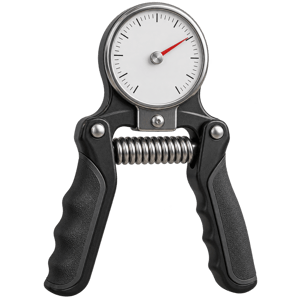
From 2003 to 2009, researchers enrolled households in 17 countries, from Canada and Sweden to India and Zimbabwe, and measured grip with a hand dynamometer in adults aged 35 to 70. They followed 139,691 people for a median of 4 years.
Each 5 kg (11 pounds) lower grip went with:
- 16% higher risk of dying from any cause
- 17% higher risk of dying from heart disease
- 7% higher risk of heart attack and 9% higher risk of stroke
Grip predicted death from any cause and from heart disease better than systolic blood pressure. The pattern held in rich, middle and poor countries alike.
Two results are less obvious. Grip didn’t predict diabetes, falls or fractures in this study. And a 4-year study can’t fully separate weak grip as a cause from weak grip as a sign of illness already under way. The authors called for trials to test whether getting stronger lowers the risk.
A test you can do at home
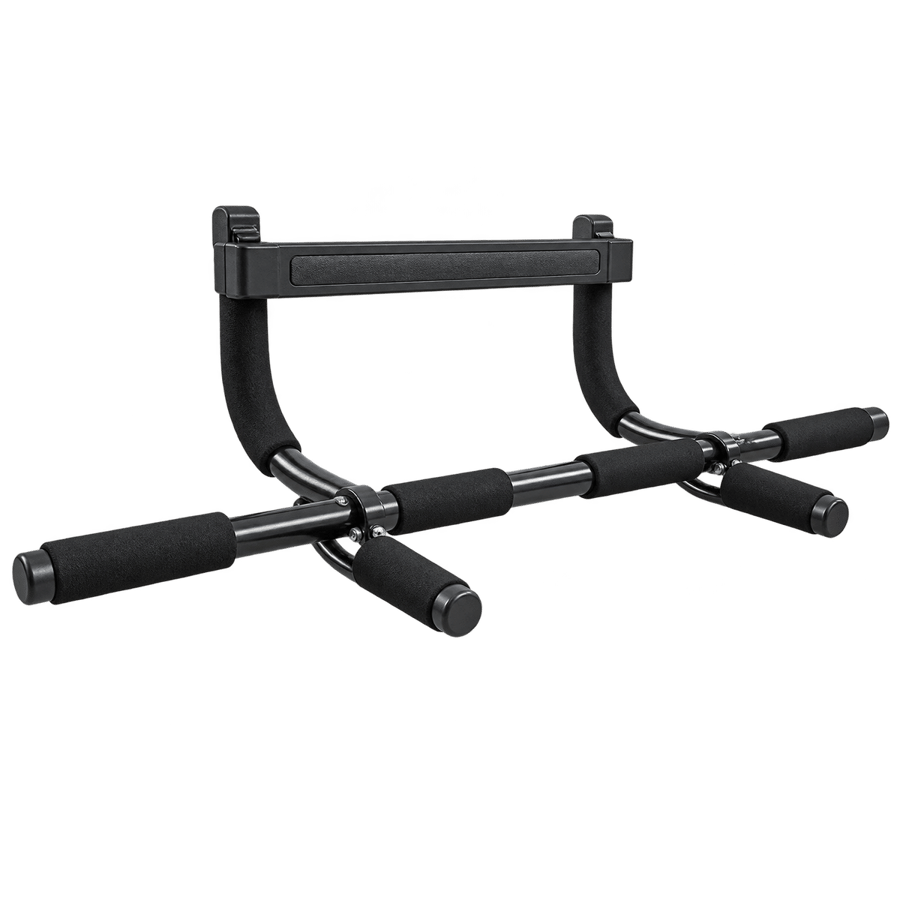
The study used a dynamometer, a handheld gauge most people don’t own. A dead hang tests grip and shoulder strength with a bar you can buy for a doorway.
Hang from a sturdy bar with both hands, feet off the ground, and time how long you can hold on. Chalk is fine, straps and a towel aren’t. Stop when a hand lets go or your feet touch down.
| Dead hang | Band |
|---|---|
| Under 20 seconds | Building |
| 20 to 45 seconds | Fair |
| 45 to 60 seconds | Good |
| Over 60 seconds | Excellent |
These are Gyroscope’s training bands, not clinical norms, since no mortality study has timed a dead hang. They’re typical ranges, and the Gyroscope app personalizes yours. The floor test records your hang next to the sit-rise and one-leg balance, with a date to test again.
For building strength, see does lifting weights help you live longer and strength.guide.
2 sources
- Leong DP and others, Prognostic value of grip strength: findings from the Prospective Urban Rural Epidemiology (PURE) study, Lancet, 2015pubmed.ncbi.nlm.nih.gov
- Gyroscope, Grip strength benchmarkgyrosco.pe